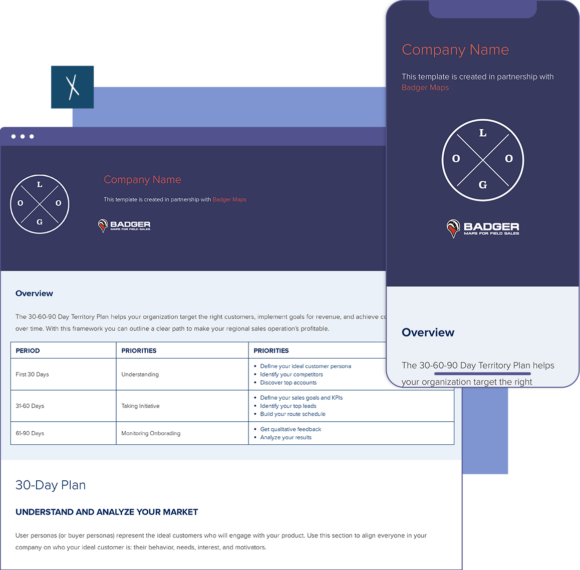
This template is created in partnership with Badger Maps
30-60-90 Day Sales Territory Plan Template
The 30-60-90 day sales territory plan template helps your organization target the right customers, implement goals for revenue, and achieve consistent sales growth over time. With this framework, you can outline a clear path to make your regional sales operation profitable.
- Create a visually engaging sales plan that aligns everyone in your company on sales goals and a regional execution plan.
- Identify focused messaging and priorities for all sales reps.
- Define a clear plan for scaling each of your regional sales territories.
Xtensio is your team’s deliverables workspace.
Create, collaborate, and deliver client-ready docs—then keep them current.
Join 410,571 using Xtensio.
Xtensio is the workspace for professional deliverables.
Make one deliverable today—then build a repeatable system for every client and project.
This is where teams create, collaborate, organize, and deliver the documents that run their work.
Everything stays on-brand, current, and ready to share.

Organize every deliverable
Keep strategy, sales, marketing, and client docs together by workspace.
Create fast, stay consistent
Start from 200+ templates or AI drafts, then apply your brand kit.
Collaborate in the doc
No more “final_v7.pdf” loop.
Standardize across deliverables
Apply your brand kit + reusable modules so every deliverable matches.
Improve what you send
See engagement, iterate, and reuse what works across projects.
What is a 30-60-90 day sales territory plan?
A 30-60-90 day plan breaks your first three months into three phases — learning (days 1-30), contributing (days 31-60), and leading (days 61-90). For sales territory plans specifically, it maps how you will learn the accounts, start generating pipeline, and hit full productivity within your first quarter.
Hiring managers use it to evaluate candidates during interviews. New hires use it to structure their ramp. Sales leaders use it to set expectations and measure onboarding success. The format works whether you are managing an established territory or building one from scratch.
What to include in each phase
Days 1-30: Learn the territory
Your goal in the first 30 days is not to close deals — it is to understand the landscape. Map your top 25 accounts by revenue potential. Learn the CRM, the sales process, the pricing, the competitive landscape. Shadow top performers. Meet every customer-facing team (support, CS, marketing). Do not make promises to prospects until you understand what the company actually delivers.
Days 31-60: Build pipeline
Now you start generating activity. Prioritize the accounts you identified in month one. Run your first outreach sequences. Book discovery calls. Build relationships with channel partners if applicable. Your metrics should shift from learning activities (meetings attended, materials reviewed) to pipeline metrics (calls made, meetings booked, opportunities created). This is the phase where most new reps either build momentum or stall.
Days 61-90: Close and optimize
By month three, you should be working active deals and approaching your first closes. Refine your territory strategy based on what you learned — which segments respond best, which messaging resonates, which accounts are worth your time and which are not. Present your 90-day results and your go-forward territory strategy to leadership. The 90-day mark is where you prove you can operate independently.
30-60-90 day plan mistakes to avoid
- Being too vague. “Build relationships with key accounts” is not a plan. “Identify top 25 accounts by ARR potential, research 5 per week, book 10 intro calls by day 30” is a plan. Specifics show you know how to execute.
- Trying to close in month one. Rushing to revenue before understanding the territory leads to bad-fit deals, wasted cycles, and a reputation for overselling. Month one is for learning. Earn the right to sell in month two.
- Ignoring the existing territory history. If you are inheriting accounts, study the CRM notes, past proposals, and churned accounts. The previous rep’s successes and failures are your roadmap.
- Not adapting the plan. A 30-60-90 plan is a hypothesis, not a contract. If week two reveals that your territory has a major segment you did not anticipate, adjust the plan. Rigid adherence to a plan that does not match reality is worse than no plan at all.
- Making it only about quota. Yes, the goal is revenue. But your first 90 days also set the foundation for relationships, processes, and territory knowledge that will drive performance for years. Balance short-term activity metrics with long-term strategic goals.
30-60-90 day plan FAQ
Do I need a 30-60-90 day plan for every new sales role?
Not formally, but the framework is useful whether it is written or not. For interviews and onboarding, a documented plan shows proactivity. For internal promotions or territory changes, even a rough mental framework for your first 90 days keeps you focused.
How detailed should the plan be?
Detailed enough that someone reading it can tell exactly what you will do each week. Each 30-day phase should have 3-5 specific goals, the activities to achieve them, and the metrics you will track. A one-page plan per phase is the right length.
What if my manager already has an onboarding plan?
Build yours on top of theirs. Your manager’s plan covers what the company expects from onboarding. Your 30-60-90 plan adds your own territory strategy, account prioritization, and personal development goals. Having both shows initiative and alignment.
Can I use this template for non-sales roles?
The 30-60-90 framework works for any role with a ramp period — marketing, customer success, product management, operations. Adapt the phase goals: month one is always about learning, month two about contributing, month three about leading. The structure is universal.
See how Xtensio compares
Wondering whether Xtensio is the right fit for your team? See how it stacks up:
Create a 30-60-90 day sales territory plan with Xtensio
- Create a free account and start editing, no credit card required.
Follow along with the instructional sales territory plan details. Add charts, graphs, images, and videos to customize the sales plan template and make it your own. Drag & drop. Resize. It’s the easiest editor ever.
- Customize everything in the sales territory plan to match your brand.
Define your style guide. Add your (or your client’s) brand fonts and colors. You can even pull colors directly from a website to easily brand your sales plan and other documents.
- Work on your sales territory plan together on the cloud.
Add colleagues (or clients) to collaborate on the 30-60-90 day sales territory plan template. Changes automatically save and sync across all devices, in real-time.
- Share a link. Present a slideshow. Embed. Download a PDF/PNG.
The sales plan seamlessly adapts to your workflow. No more jumping from tool-to-tool to design different types of deliverables.
What is a 30-60-90 day sales territory plan?
Your 30-60-90 day sales territory plan is a blueprint explaining how you’ll turn your region into a profitable operation. This framework helps your organization target the right customers, implement goals for revenue, and achieve consistent sales growth over time. Each section of the plan includes specific priorities.
First 30 days:
- Define your ideal customer persona
- Identify your competitors
- Discover your top accounts
31-60 Days:
- Define your sales goals and KPIs
- Identify your top leads
- Build your route schedule
61-90 Days:
- Get qualitative feedback
- Analyze your results
How do you create a 30-60-90 day sales territory plan?
Your plan needs to show management that you can develop a sales territory like a real outside sales rep. A lot of new reps think they can improvise instead of creating a detailed sales plan. Follow along with the instructional template copy to create your own sales territory plan. Generally, here are the things you’ll include in your plan:
First 30 Days:
- Understand and analyze your market. User personas (or buyer personas) represent the ideal customers who will engage with your product. Use this section to align everyone in your company on who your ideal customer is: their behavior, needs, interest, and motivators.
- Discover your top 10 accounts. Review which customers have traditionally been easy to sell to and/or seen high levels of success with your product. Then prioritize those leads and similar accounts.
- Identify your competitors using the competitive analysis template.
31-60 Days – Execute your plan:
- Consolidate the trends you’ve discovered above to come up with S.M.A.R.T sales goals (Specific, Measurable, Achievable, Relevant, and Time-based). Set goals, based on valid data and information relating to historical performance. These will include the product/service revenues and margins, market share, lead–to–sale conversion rate, and other key data from the sales funnel.
- Define sales key performance indicators – these are numerical numbers that assist you in measuring performance and making data-driven decisions. Setting quantifiable goals to track your progress as a salesperson is critical to your success.
- Identify your top leads by researching your territory and finding out the leads that fit best with your ideal persona.
- Make a plan to meet your quota. Find out how many leads you need to meet with each month to meet your quota.
- Build your route schedule. Following up with prospects regularly is the best way to maintain and grow your relationships. Create a regular routine schedule based on your core customers and opportunities. A schedule will ensure that your deals develop at a steady pace, preventing you from missing any critical portions of your territory.
61-90 Days – analyze and optimize your plan:
- Obtain detailed feedback. It’s usually a good idea to check in with your clients to see how happy they are with your product or service. You can also interview people who did not convert to find out what went wrong with them. This feedback will help you alter your sales strategy based on the needs of your customers.
- Analyze your results. Explain what you accomplished and how that aligns with the project or team’s overall goals. Focus on your main goals with measurable KPIs.
30-60-90 Day Plan Mistakes That New Hires Make
A 30-60-90 day plan is only useful if it reflects realistic expectations. Most new hires write plans that sound impressive on paper but fall apart in execution. Here are the mistakes that derail territory plans before they gain traction.
Over-promising in the first 30 days. The first month should focus on learning, not closing. New reps who commit to revenue targets in month one often skip the discovery work that makes months two and three productive. Your first 30 days should center on understanding your territory: who the existing accounts are, what the competitive landscape looks like, and where previous reps left gaps.
Skipping the discovery phase entirely. Jumping straight into outreach without mapping your territory is like cold-calling without a list. Spend time reviewing CRM data, talking to customer success teams, and understanding which accounts have history. Territory plans built on actual data outperform plans built on assumptions.
Not aligning with manager expectations. Your plan should be a shared document, not a private exercise. Walk through your plan with your manager before day 30. Ask what success looks like at each milestone. Misaligned expectations are the top reason new hires feel like they are failing even when they are on track.
Ignoring existing territory relationships. Every territory has a history. Accounts that churned, deals that stalled, and contacts who went cold all carry context. Before building your outreach strategy, review what happened before you arrived. Your predecessors’ notes, win/loss reports, and account health scores give you a head start that no amount of cold prospecting can replace.
Treating the plan as a one-time document. A 30-60-90 plan that sits in a folder after week one serves nobody. The strongest territory plans are living documents that get updated as you learn. When you share your plan as a live link, your manager sees your progress in real time and can course-correct early rather than waiting for a formal review.
How to Present Your 30-60-90 Plan to Leadership
Writing the plan is half the work. Presenting it effectively determines whether leadership backs your approach or questions your strategy. Here is how to structure the conversation.
Lead with phase goals, not activity lists. Leadership cares about outcomes, not how many calls you plan to make. Frame each phase around what you will know, build, or deliver by the end of that period. “By day 30, I will have mapped all 47 accounts in my territory and identified the top 15 by revenue potential” is more compelling than “I will make 200 calls.”
Define your key metrics for each phase. Every phase should have 2-3 measurable indicators that prove progress. For the first 30 days, that might be accounts mapped and discovery meetings booked. For 60 days, pipeline value and qualified opportunities. For 90 days, closed revenue and conversion rates. Concrete numbers give leadership confidence that you have a plan, not just intentions.
Name your resource needs upfront. Do you need access to specific tools? Introductions to key accounts from your manager? Marketing collateral for a particular vertical? Listing resource needs in your plan shows you have thought through execution, not just strategy. It also sets expectations for what support you need to hit your targets.
Address risk factors honestly. Every territory has risks: seasonal slowdowns, competitor strongholds, or accounts with bad history. Acknowledging these in your plan shows maturity and gives leadership a reason to trust your judgment. Include a brief section on what could slow you down and how you plan to mitigate it.
Set an update cadence. Commit to a review rhythm. Weekly check-ins during the first 30 days, biweekly during 60, and monthly after 90. When your plan lives in a shared workspace, updates happen naturally. Leadership can check your progress anytime, and you avoid the scramble of preparing a separate status report for every meeting.
The best 30-60-90 day plans are not static PDFs buried in email threads. They are living deliverables that evolve as you learn your territory, close your first deals, and build relationships that last beyond the first quarter.
30-60-90 Day Territory Plans for Sales Managers and Consultants
Most 30-60-90 day territory plans are written by individual contributors for their own onboarding. But sales managers and consultants use them differently — and the structure shifts accordingly.
- Sales managers onboarding new reps use a 30-60-90 framework to set expectations before a rep starts. Rather than leaving the plan open-ended, the manager defines what “good” looks like at each milestone: calls logged, pipeline built, deals in the forecast. This creates accountability from day one and gives the rep a clear target to hit.
- Sales consultants scoping engagements use a 30-60-90 structure as a deliverable for clients — a tangible plan showing how they will approach the territory, identify quick wins, and build toward sustainable pipeline. The format also doubles as a proposal artifact that demonstrates methodology.
- Revenue operations teams use 30-60-90 plans as a repeatable onboarding standard. When every new rep follows the same milestone framework, performance benchmarking becomes reliable. Teams that track 30/60/90-day attainment rates can identify coaching needs earlier.
In each of these cases, Xtensio’s live-link format is more useful than a static PDF: the plan can be updated as priorities shift, and the manager or consultant can share a single link that always reflects the current version.
Related to the 30-60-90 Day Sales Territory Plan Template
Fully customizable templates that you can make your own.
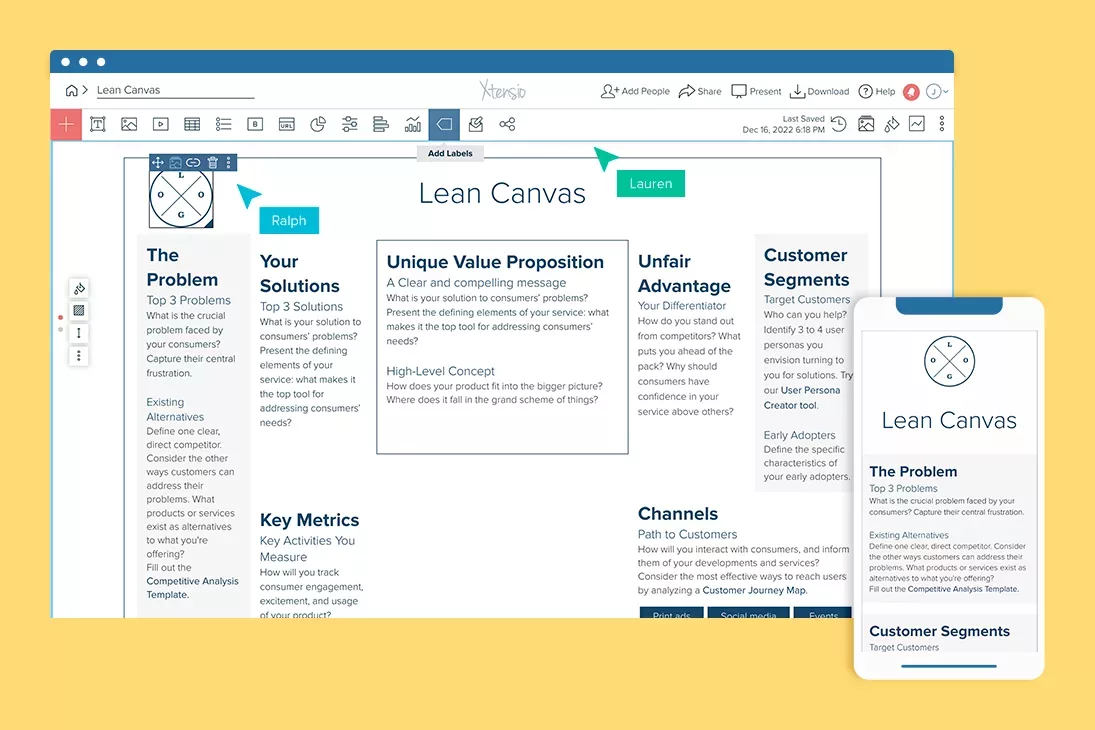
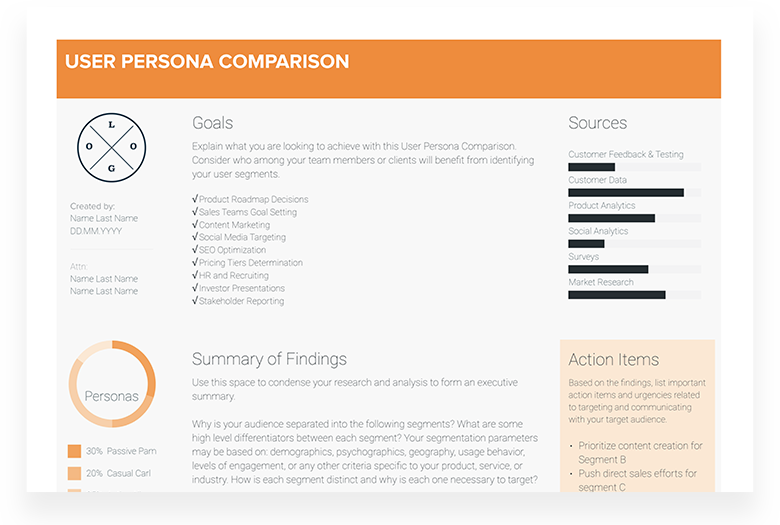
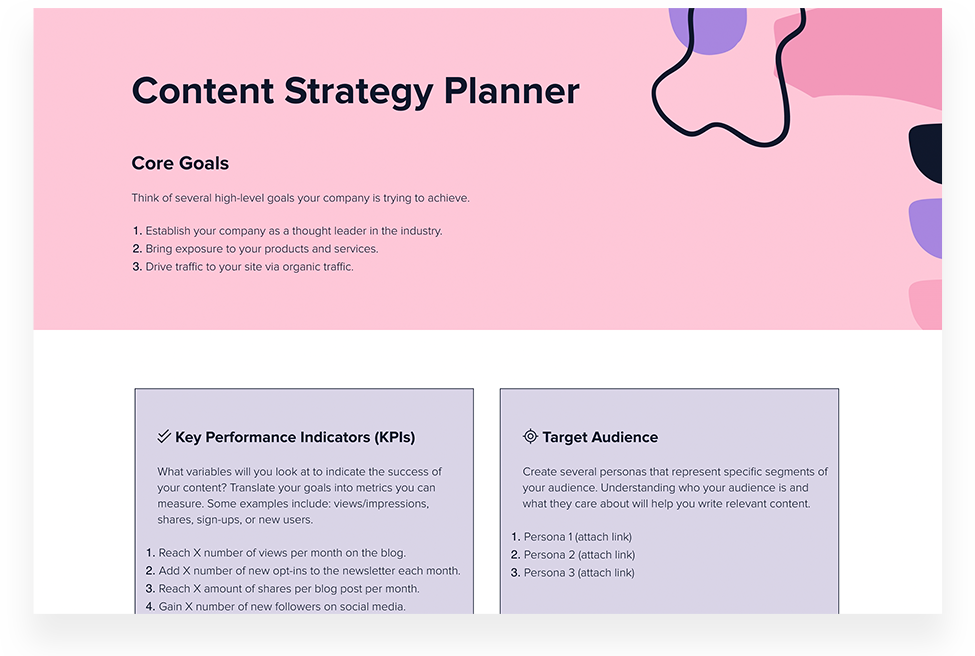
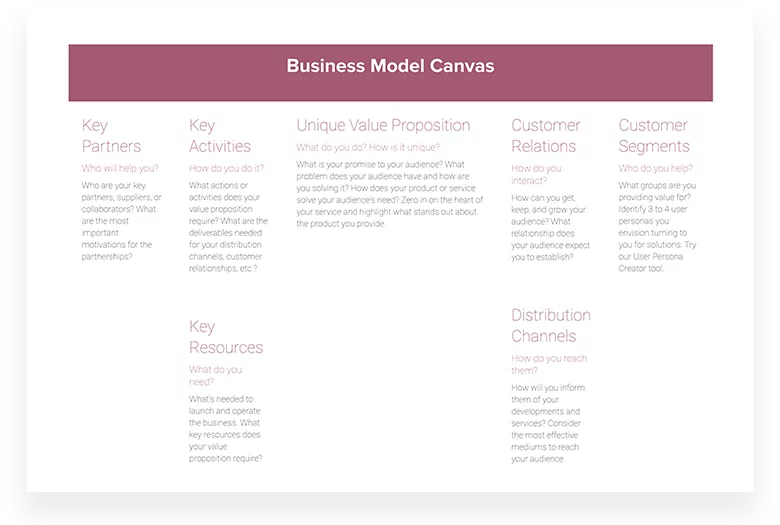
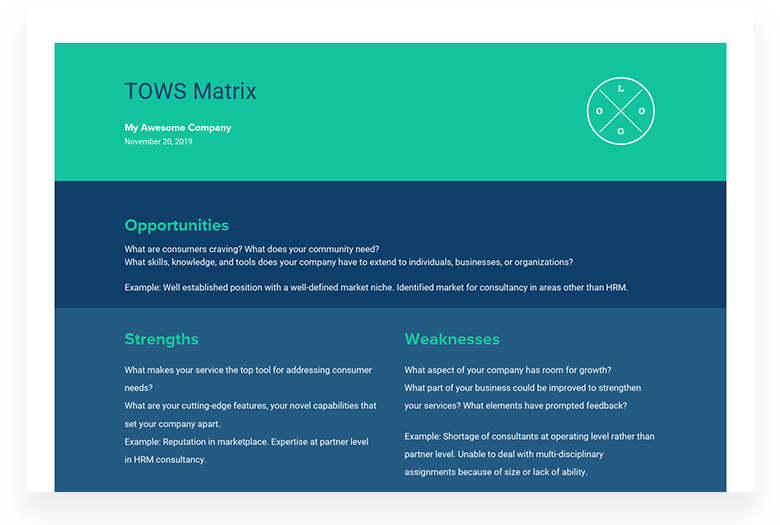

Teams use Xtensio to create, share, and improve professional deliverables.
Trusted by 410,571 teams, founders, and consultants.



Grace Ghunaim
Global Chief Strategy Officer (CSO) @

David Nason
CEO/Founder @

Jeff Schenck
Marketing Manager @

Ryan Dobson
Global Engineering Manager @

Arthur van de Graaf
Founder @

Apurva Pathak
Technical Product Manager @

Jenny Johansson
UX Manager @

Zac Heisey
Director of Digital Marketing @

Jacklyn Swiecicki
Marketing Manager @

Create and deliver beautiful work, professionally.
Build, brand, and deliver living documents your clients actually engage with.







Join 410,571 professionals delivering work with Xtensio.