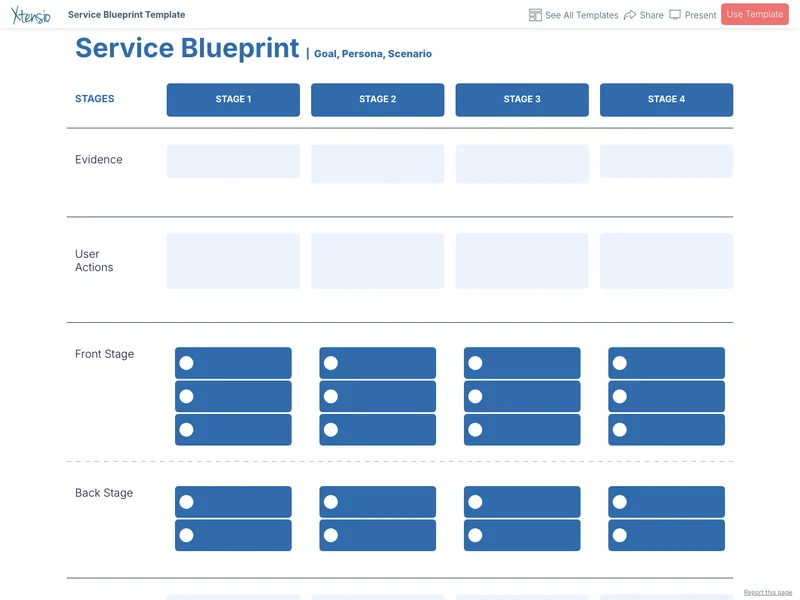
Service Blueprint Template
See what your customer sees, and everything behind it that makes it happen.
- Lay out your service stage by stage, from first contact to follow-up.
- Line up what customers see and do with the front stage, back stage and support work behind it.
- Share it as a live link your team can keep up to date.
Create a free account to start. No credit card required.
Beautiful living documents, built like web pages.
Join 412,176 professionals using Xtensio.
Xtensio is the workspace for professional deliverables.
Make one deliverable today—then build a repeatable system for every client and project.
This is where teams create, collaborate, organize, and deliver the documents that run their work.
Everything stays on-brand, current, and ready to share.

Organize every deliverable
Keep strategy, sales, marketing, and client docs together by workspace.
Create fast, stay consistent
Start from 200+ templates or AI drafts, then apply your brand kit.
Collaborate in the doc
No more “final_v7.pdf” loop.
Standardize across deliverables
Apply your brand kit + reusable modules so every deliverable matches.
Improve what you send
See engagement, iterate, and reuse what works across projects.
What is a service blueprint?
A service blueprint is a map of how a service gets delivered, seen from both sides at once. The top shows what the customer experiences. The rows below show the people, tools and processes that make that experience possible. G. Lynn Shostack introduced the idea in a 1984 Harvard Business Review article, and service design teams still use it for the same reason: most customer problems start somewhere the customer never sees.
Use one when a service involves several teams or handoffs, when customers keep hitting the same problem and nobody can say why, or when you are designing or changing a service and need everyone to see the same picture.
What’s in this template
The template opens with space for the goal, persona and scenario you are mapping, then gives you four stages across the top and these rows under each one:
- Evidence: what the customer can see or touch at that stage, such as an email, a receipt or a screen.
- User Actions: what the customer does.
- Front Stage: what your team does in view of the customer.
- Back Stage: what your team does out of view to support those actions.
- Support Processes: the systems, tools and other teams everything relies on.
A dashed line separates front stage from back stage. It marks the point where the customer stops seeing the work.
How to create a service blueprint
1. Pick one scenario. Choose one customer type and one situation, such as a new client being onboarded. Write the goal, persona and scenario at the top. A blueprint that tries to cover every case ends up explaining none of them.
2. Name the stages. Split the service into the steps the customer would recognize. Add or remove stages to fit; four is a starting point.
3. Start with the customer. Fill in User Actions first, then the Evidence they see at each step. Use what you have seen or been told by customers rather than what the process says should happen.
4. Add what your team does. For each action, write the front stage work, then the back stage work that supports it. This step usually needs the people who do the work in the room.
5. Add support processes. List the systems, vendors and internal teams each stage depends on.
6. Mark what needs fixing. Look for missing handoffs, duplicated work and stages with no owner. Those are your priorities. Update the blueprint as you fix each one, so the link you shared stays accurate.
Service blueprint or customer journey map?
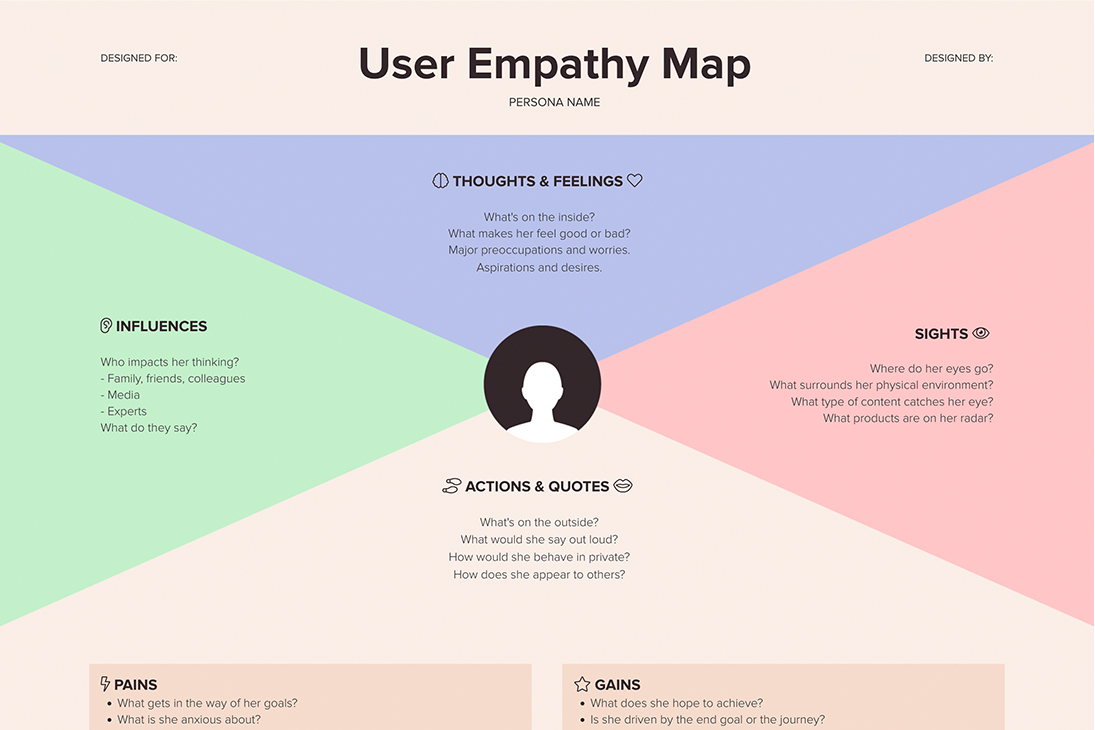
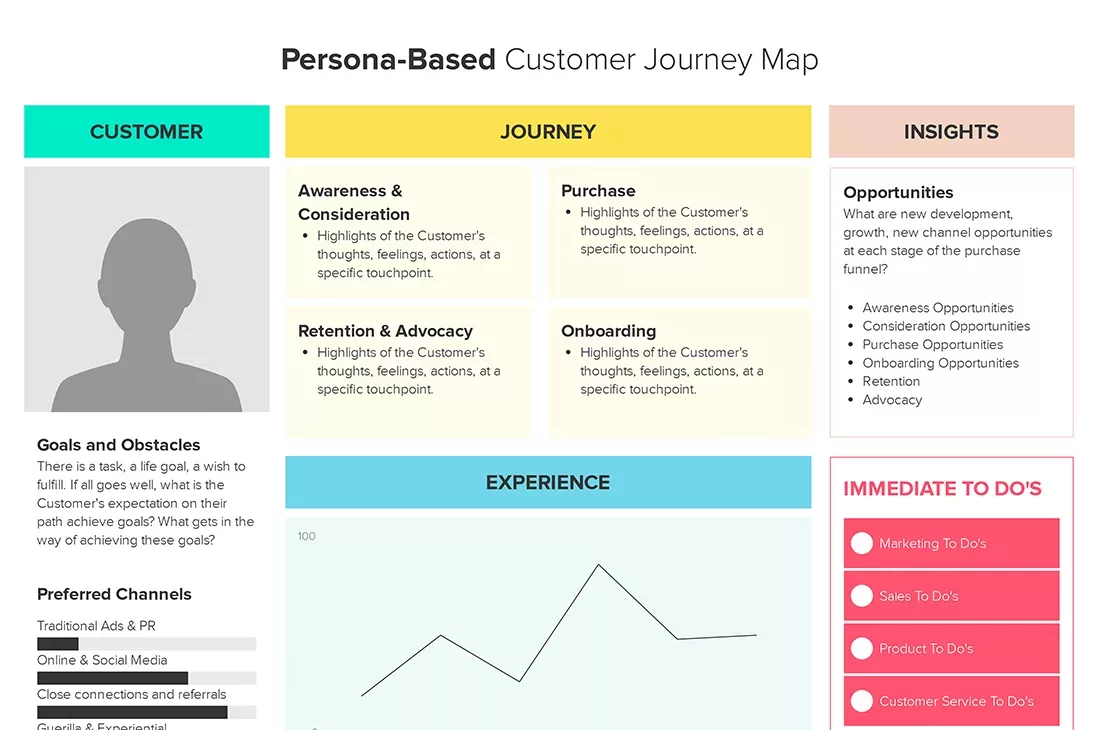
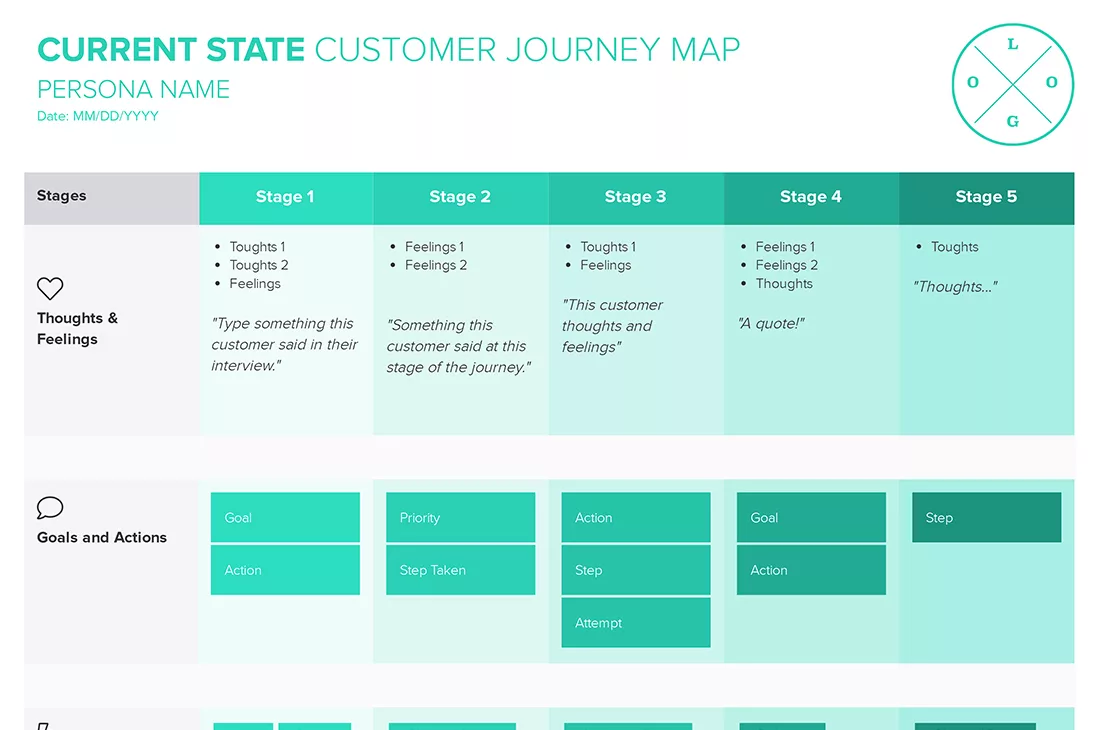
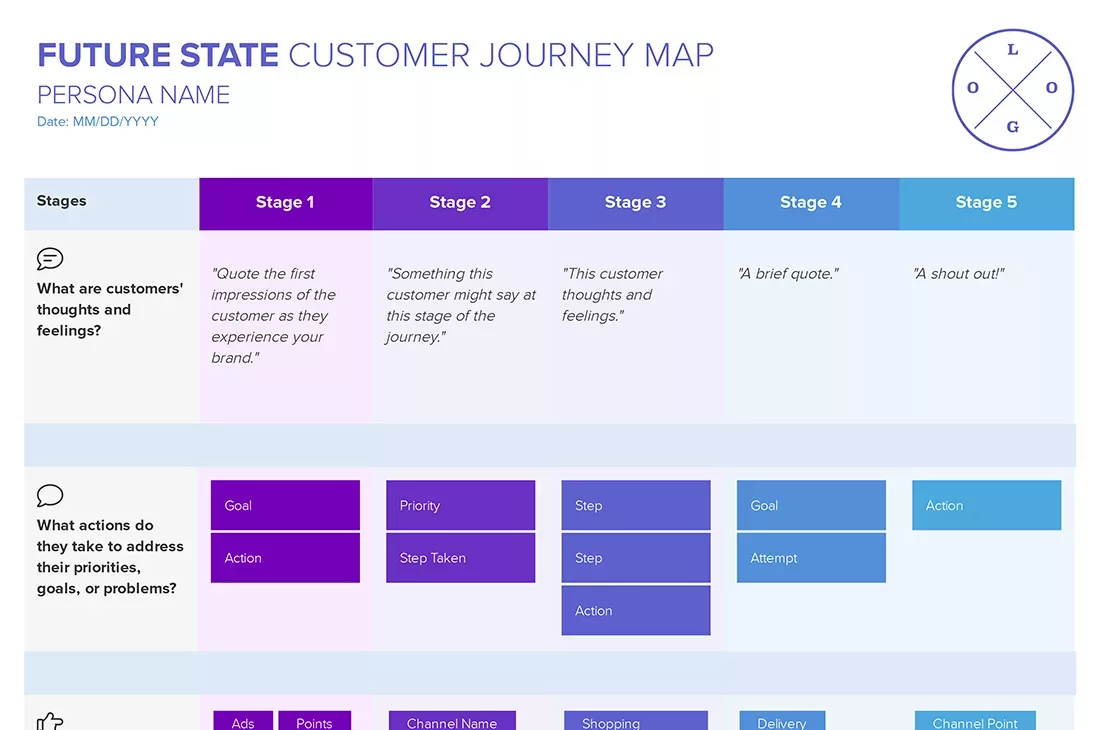
They work well together. A customer journey map shows how the experience feels to the customer, and a user persona describes who that customer is. A service blueprint takes the next step and shows what has to happen inside your business to deliver it. If you have a journey map already, its stages are a good starting point for your blueprint.
Frequently asked questions
Is the service blueprint template free to use?
Yes. The template is free to use. Customize it with your brand and share it as a live link that stays current. On the free plan, exports and links carry the Xtensio mark.
Can I share my service blueprint as a live link?
Yes. Every Xtensio document gets its own live link. Share it with clients or teammates, and any edits you make show up for them without re-sending a file.
Can I reuse the service blueprint for different projects?
Yes. Duplicate your blueprint and swap in the details for the next service or client. The duplicate gets its own link, so each project stays separate.
What is the difference between a service blueprint and a customer journey map?
A customer journey map follows the customer’s experience. A service blueprint keeps that view and adds what your team and systems do behind it, so you can see which internal step causes a problem the customer feels.
Create a free account to start. No credit card required.
Related to the Service Blueprint Template
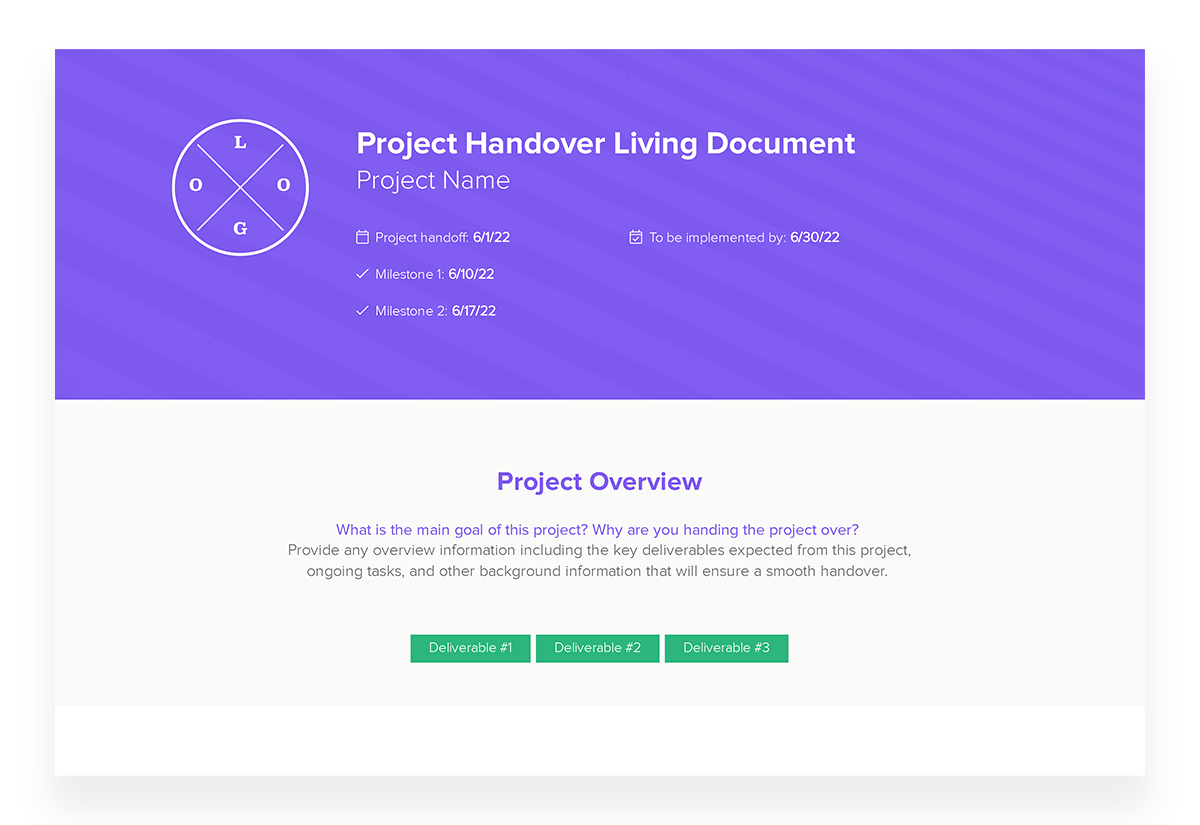
Fully customizable templates that you can make your own.

Zac Heisey
Director of Digital Marketing @

Jake Peters
CEO @

Robin Bramman
Founder and Chief Brand Mixologist @

Alix Han
VP Product Experience @

Marc Anthony Rosa
Product Manager @

Anna Yunker
Content Strategist @

Robin Eyre
Owner @

Adam Sher
CEO @

Humma Arshad
Salesforce Project Manager @
Prefer to start with AI? The AI Service Blueprint Generator writes a first draft covering stages, evidence, customer actions, front stage, back stage and support processes, ready for you to edit.

Create and deliver beautiful work, professionally.
Build, brand, and deliver living documents your clients actually engage with.






Join 412,176 professionals delivering work with Xtensio.

