
How-to Guide
How to Write a Partnership Proposal
A partnership proposal has to show the other side what they get, not only what you want. Here is how to structure one, section by section.
Most partnership proposals are written from the sender’s side. They explain what the sender wants, how much it would help them and why the timing suits them. The person reading it is asking a different question: what is in this for us, and what will it cost us in time and money? A proposal that does not answer that usually gets a polite reply and nothing else.
A good partnership proposal is built around the shared outcome. It names the opportunity, shows why this particular partner makes sense, sets out a small number of concrete activities, and is honest about what each side brings and gets. This guide walks through each section and how to send it so the conversation keeps moving.
When a Partnership Proposal Makes Sense
Write one when the idea is past a first conversation and the other side has shown interest. Common cases:
- Co-marketing. Two businesses with the same customers run a webinar, a guide or an event together.
- Referral partnerships. One side introduces clients to the other, with an agreed way to share the value.
- Sponsorships. A company supports an event, a community or a program in exchange for visibility.
- Joint services. Two firms combine skills to offer something neither could deliver alone.
If you have not spoken yet, start with a short email and a call. A full proposal sent cold reads as a sales pitch.
What to Include in a Partnership Proposal
Keep it to a page or a short scroll the other side can read before your next call. These six parts cover most partnerships:
- The opportunity and outcomes. What you could achieve together, in two or three sentences, and the results you are aiming for.
- Who you are and why this partner. A short introduction and the specific reason you chose them.
- What you propose. Three concrete activities, each with what happens and who does it.
- What each side brings and gets. A side-by-side view of contributions and benefits.
- Sponsorship or investment levels. Optional, for partnerships with money involved.
- Measures of success, timeline and next steps. How you will both know it worked, when things happen and what to do next.
The Partnership Proposal Template has all six sections in this order, with a short prompt in each one telling you what to write, and a finished example to follow.
Start With the Shared Outcome
Open with the opportunity, written so both sides benefit. “We want more leads” is your goal. “Your clients ask for brand work you do not offer, and ours ask for the websites we do not build” is an opportunity both sides can see. Follow it with two or three outcomes you are aiming for, such as a number of joint clients, an event audience or a new service launched.
Keep the outcomes realistic. A partner who agrees to an ambitious target and misses it is less likely to try again than one who beats a modest one.

Explain Why This Partner, Specifically
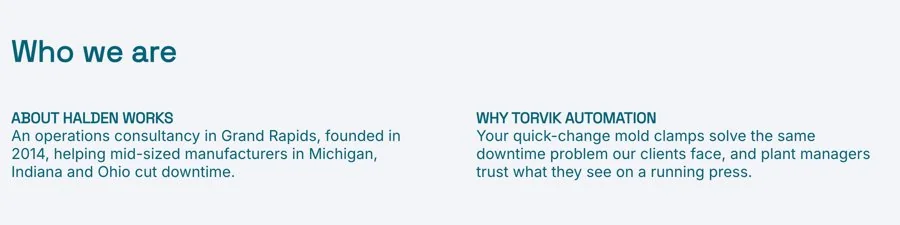
Partners can tell when a proposal has been sent to twenty companies. Say what you know about them and why they fit: the clients they serve, something they did that you admired, a gap in their offer that you fill. Then introduce yourself briefly, with the facts that matter to this partnership rather than your whole history.
Propose Three Concrete Activities
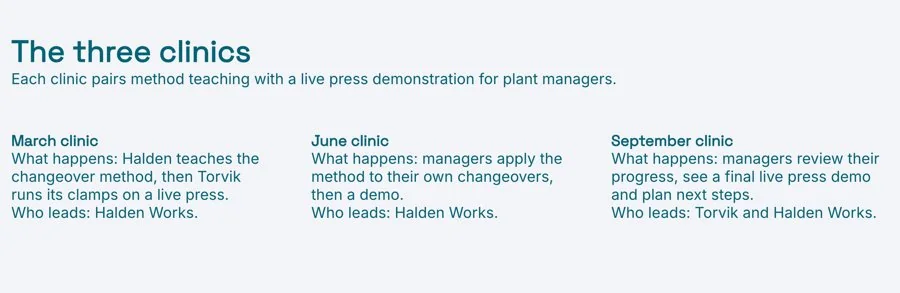
“Let’s work together” is not a proposal. Name three things you would actually do, each on its own card:
- What the activity is, in one sentence
- Who does what on each side
- When it would happen, and how long it runs
Three is enough to show you have thought it through without asking for a big commitment. Start with something small and quick, such as a shared article or a referral trial, so both sides see results before agreeing to anything larger.
Be Honest About What Each Side Brings and Gets
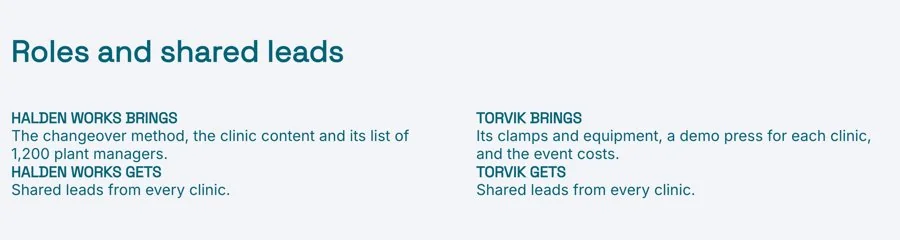
This is the section a partner reads most carefully. Put it side by side: what you bring, what they bring, what you get, what they get. Contributions include time, audience, skills, money and introductions. Benefits include clients, revenue, visibility and new capabilities.
If the balance looks uneven, say so and explain why it still works, for example that you are taking on more of the work in the first quarter. A partner who spots an imbalance you did not mention will trust the rest of the proposal less.
Add Sponsorship or Investment Levels If Money Is Involved
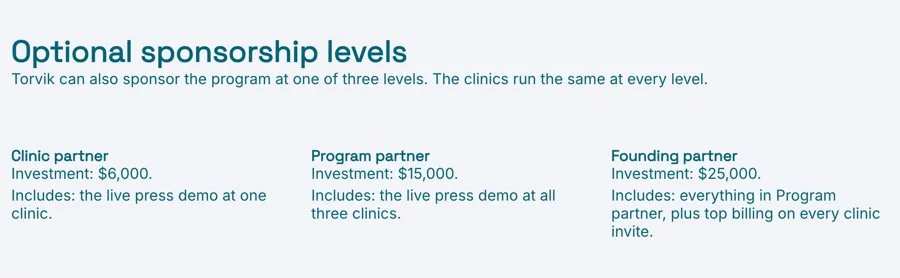
For sponsorships and paid partnerships, offer two or three levels rather than a single price. Each level lists what the partner pays and what they receive, such as logo placement, speaking slots or a set number of introductions. Levels let a partner choose how far to commit, so the conversation becomes which level, not whether. Skip this section entirely for partnerships with no money involved.
Agree How You Will Measure Success
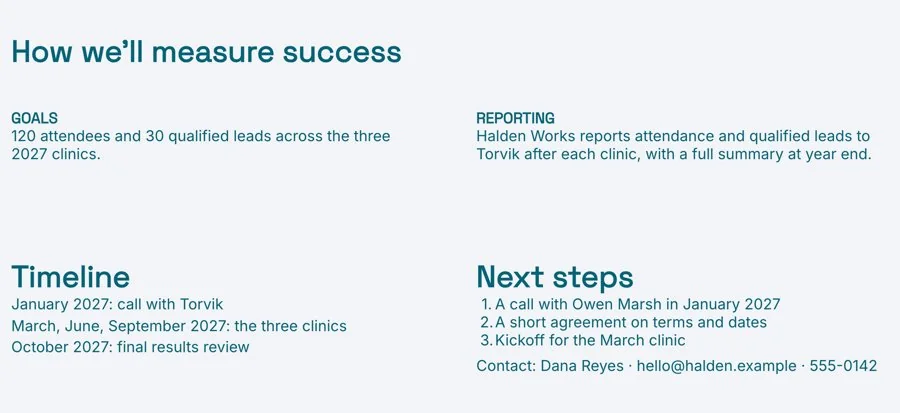
End with how both sides will know it worked, a timeline and the next steps. Pick two or three measures you can both see, such as referrals sent, attendees or joint revenue, and agree when you will review them. Then set out the first few weeks: who signs off, when the first activity starts and when you meet to check progress. Close with one clear next step, such as a call to agree the details.
Send It as a Live Link, Not an Attachment
A partnership proposal rarely survives the first call unchanged. Dates move, an activity gets swapped, the other side adds a name to the team. If you sent a PDF, each change means a new version and a question about which one is current.
Send a live link instead. Your contact can share one URL with their colleagues, and when you update the plan after a call, everyone sees the same version. Once the partnership starts, keep the proposal in a project workspace you can invite the partner into, alongside the shared plan and reports. With engagement analytics you can see when the link was opened, which helps you time your follow-up.
Common Partnership Proposal Mistakes
- Writing only about your side. Every section should say what the partner gets.
- Proposing too much at once. Start with small activities and grow from the results.
- Vague activities. If a reader cannot picture what happens next week, make it more specific.
- No measures of success. Without them, the partnership drifts and nobody can say whether to continue.
- Sending it before a conversation. A proposal works best as a follow-up, not a first contact.
Prefer to start with AI? The AI Partnership Proposal Generator writes a first draft from a few notes about you and the partner, with the opportunity, activities, benefits and next steps, ready for you to edit.
Related Templates and Guides
- Partnership Proposal Template
- Consulting Proposal Template
- Company One Pager Template
- Case Study Template
- Executive Summary Template
Frequently Asked Questions
What is a partnership proposal?
A document that sets out how two organizations could work together, what each would contribute and gain, and how they would measure success. It is usually sent after a first conversation.
How long should a partnership proposal be?
Short enough to read before a call, usually a page or a short scroll. Detailed terms belong in a separate agreement once both sides agree in principle.
Should a partnership proposal include money?
Only if the partnership involves payment, such as a sponsorship or a revenue share. Many co-marketing and referral partnerships have no money attached at the start.
How do I follow up on a partnership proposal?
Suggest a short call within a week to go through it together. If you have not heard back, a brief note with one specific question tends to get a better reply than a general check-in.
What is the difference between a partnership proposal and a business proposal?
A business proposal sells a service to a client who pays you. A partnership proposal describes an arrangement where both sides contribute and both benefit.
Ready to propose your next partnership?
Start from the template, set out what each side brings and gets, and send one live link before your next call. Free, no credit card required.

